Kungfupunk Explained: Why Phantom Blade Zero Fuses Wuxia with Punk
Published 2026-08-13Updated 2026-09-175 min read
Kungfupunk is Phantom Blade Zero's design philosophy — Ming-dynasty wuxia grounded in a low-magic world, crushed under punk's oppression and machinery.
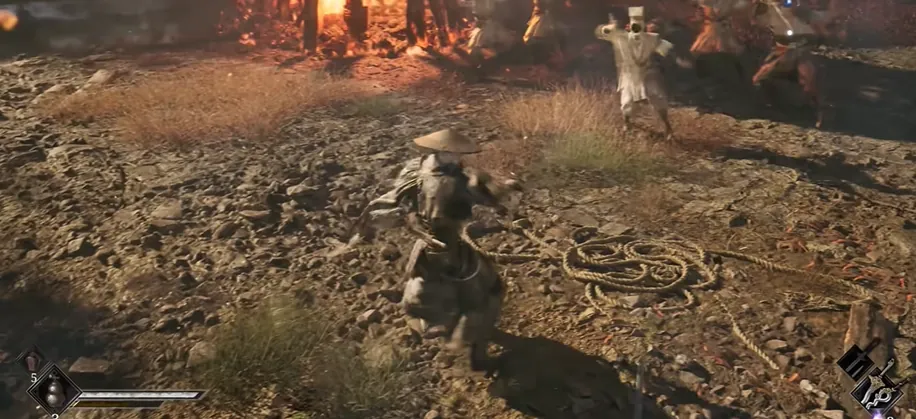
Kungfupunk is the term S-GAME uses for Phantom Blade Zero's whole design philosophy, and the "punk" half is doing more work than marketing. The point is not grafting gears onto swords — it is a Chinese low-magic martial world crushed under punk's signature weight: oppressive systems, corroded industry, and ordinary people ground beneath both.
The visual layer: classical jianghu meets machine decay
The Phantom World (Yingjing) is built on a Ming-dynasty-like base: straw hats, fitted cloth, ink-wash rain. Onto that, the world stacks mechanism-craft — body modifications, metal prosthetics, giant machine constructs, a floating court in the sky. An otherworld disc relic seeded a deformed industrial power, so old timber architecture and rusted machines coexist, all of it soaked in a perpetual killing rain. The result reads as coarse, ruined and pressed-down — punk texture before a single fight starts.
The narrative layer: chivalry under a countdown
Kungfupunk's storytelling borrows a frame global audiences read instantly — a countdown redemption plot (Soul has 66 days to live) — while refusing cartoonish good-versus-evil. Every villain carries complete human bonds and reasons; the factions oppressing the jianghu are systems, not cartoon devils. See the full cast of systems in factions of the Phantom World.
The soul: xia serves the people
Here is where kungfupunk splits from Western punk and classic wuxia alike. The knight-errant tradition says the greatest xia serves the people — and Soul, a dying assassin from the bottom of the jianghu, fights not for lords or courts but for the porters, peddlers and elderly that the powerful discard. Questioning a rigid hierarchy while empathizing with the crushed: that is punk and xia saying the same thing in two languages. The protagonist's story shows the theme in motion.